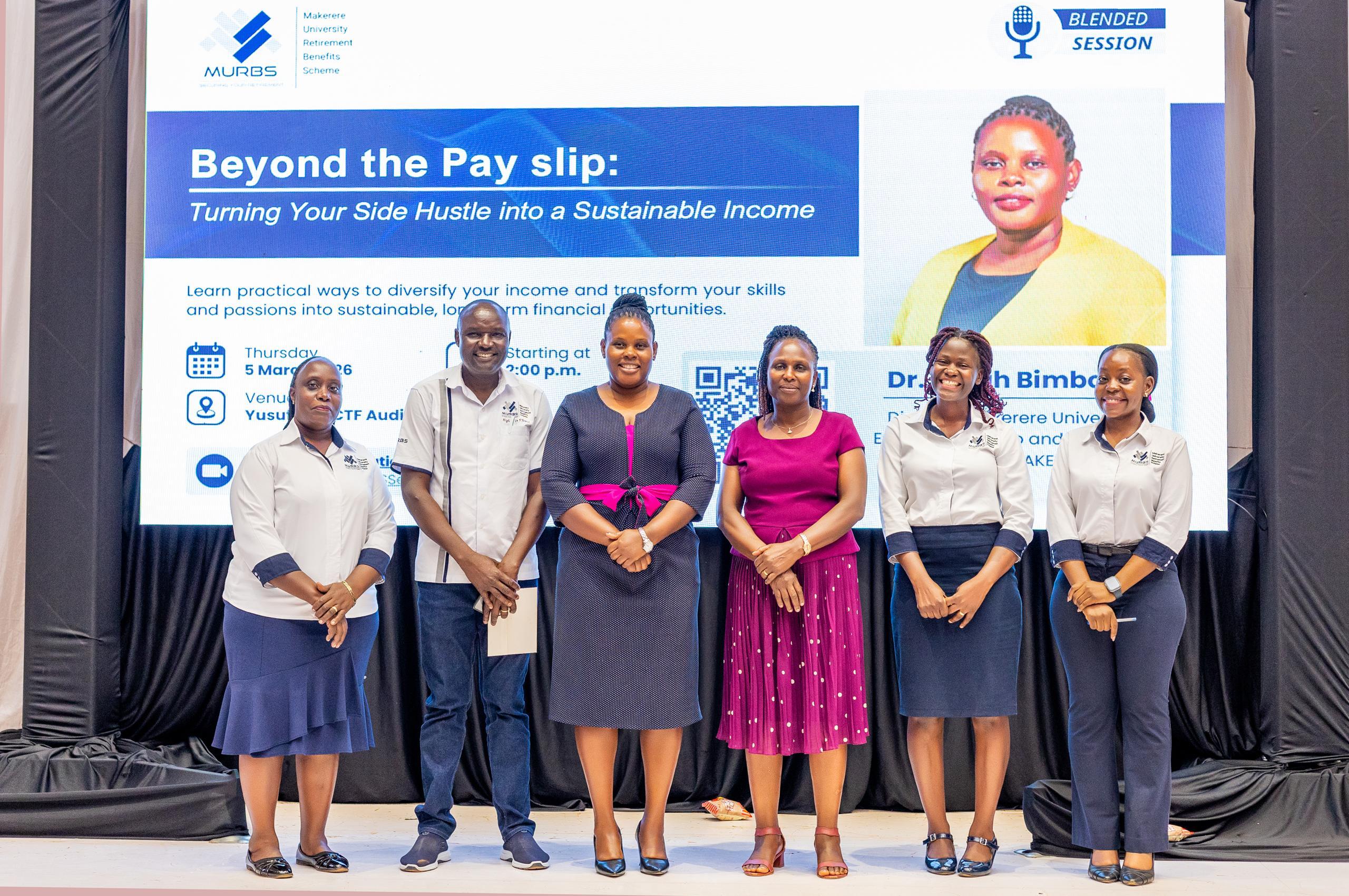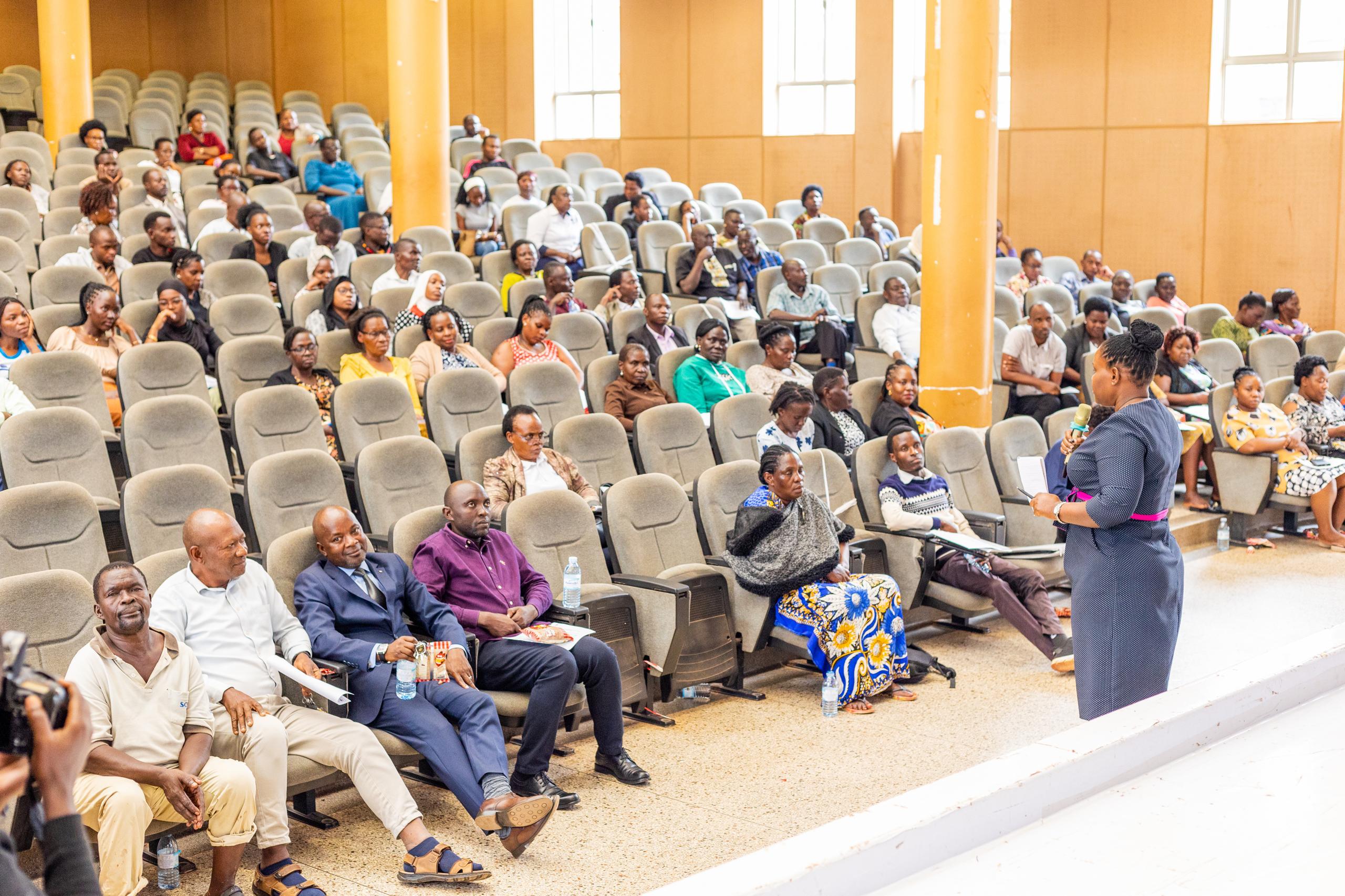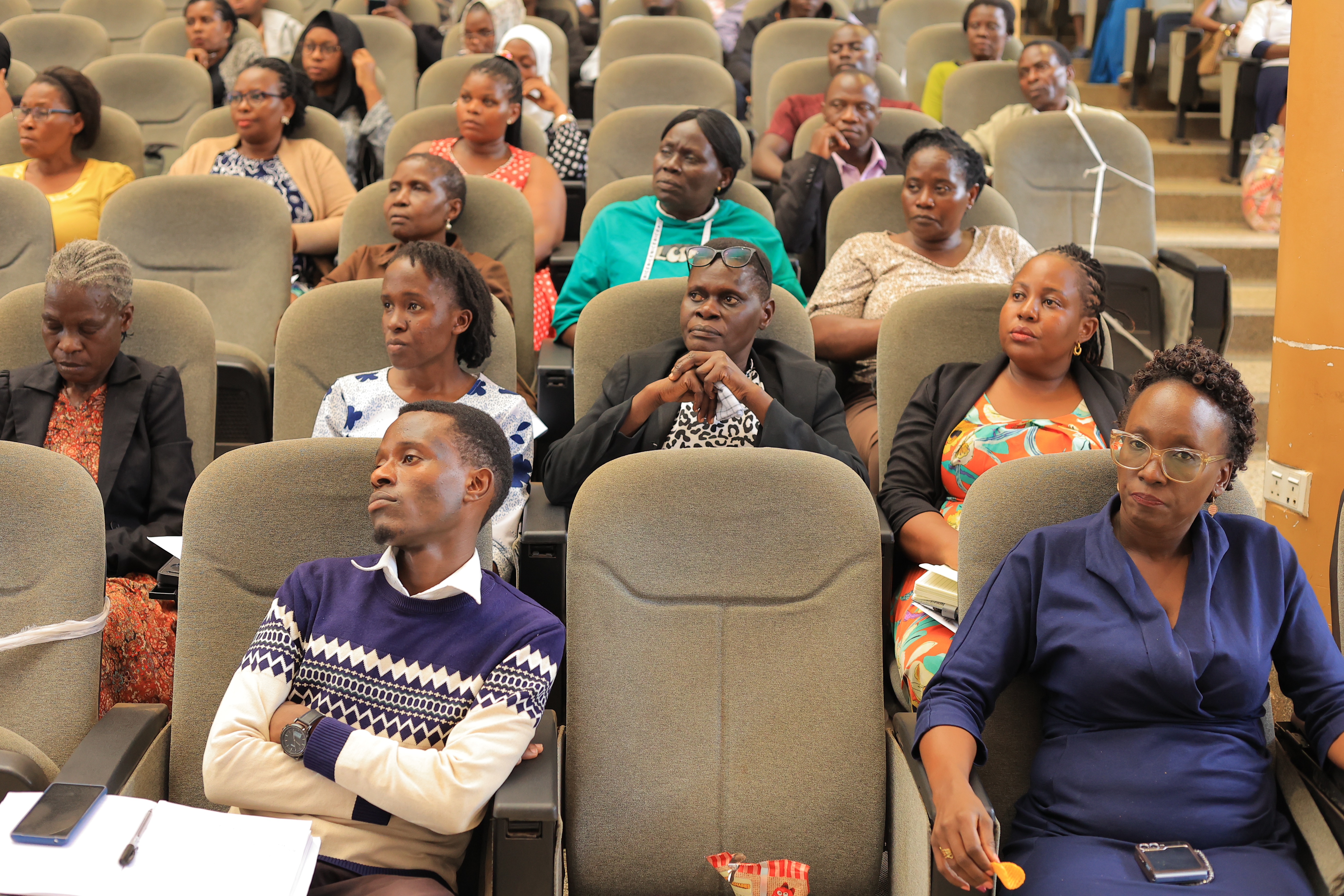
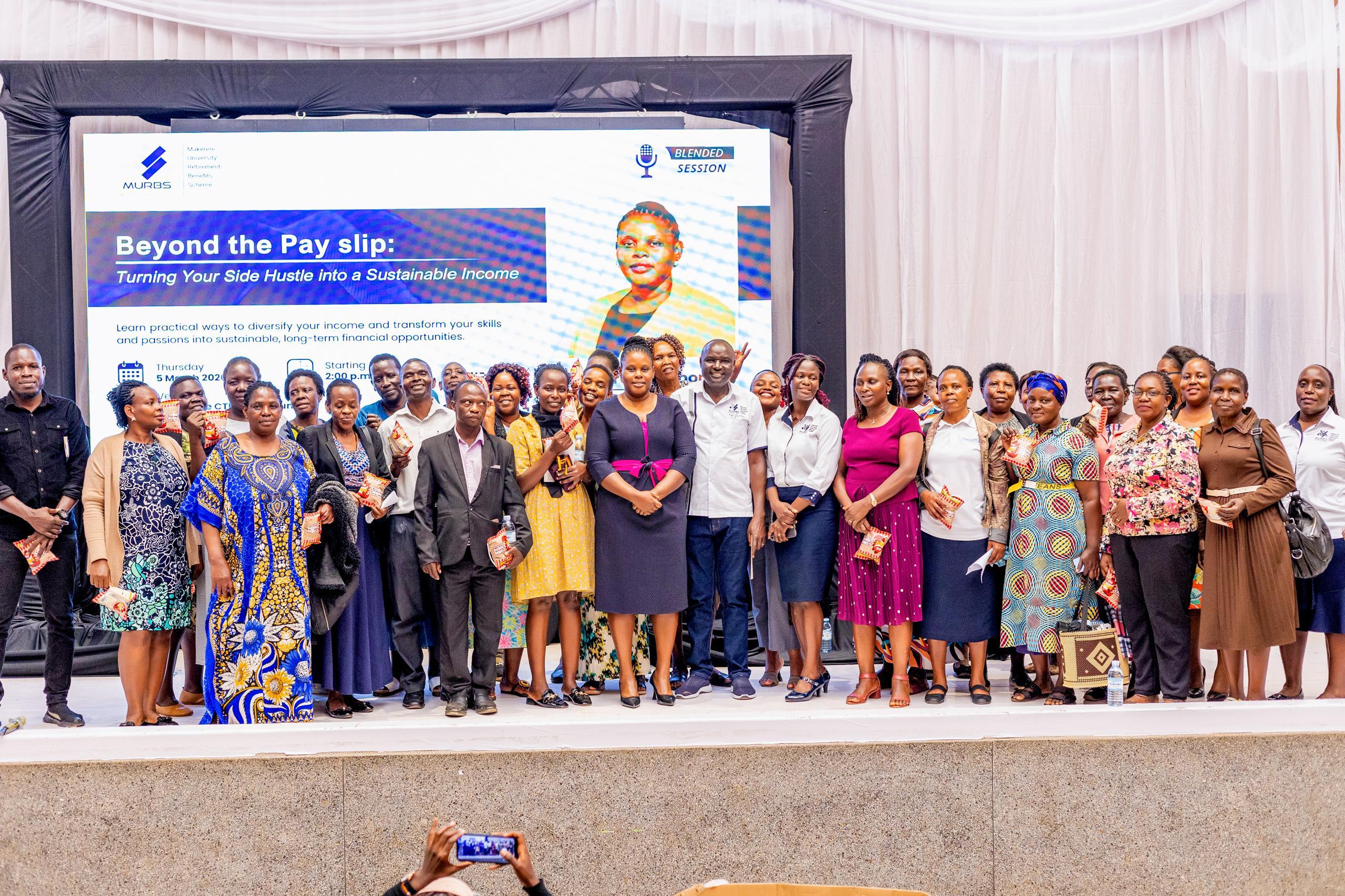
5 March 2026 – Makerere University Retirement Benefits Scheme (MURBS) organised a member sensitisation session themed “Beyond the Pay Slip: Turning Your Side Hustle into a Sustainable Income.” The session was facilitated by Dr. Sarah Bimbona, Director of the Makerere University Entrepreneurship and Outreach Center and Lecturer in the Department of Marketing and Management at Makerere University.
During the session, Dr. Bimbona shared practical insights on how individuals can transform side hustles into sustainable businesses. Drawing on inspiring real-life examples such as Psalm’s Foods, she illustrated how a simple idea, started 15 years ago by Dr. Ngabirano, a young teacher, and his wife, grew from a modest operation using basic ingredients and a frying pan into a company employing over 500 people. Her presentation emphasised the importance of starting small, leveraging existing skills and passions, and steadily growing a business through discipline and consistency.
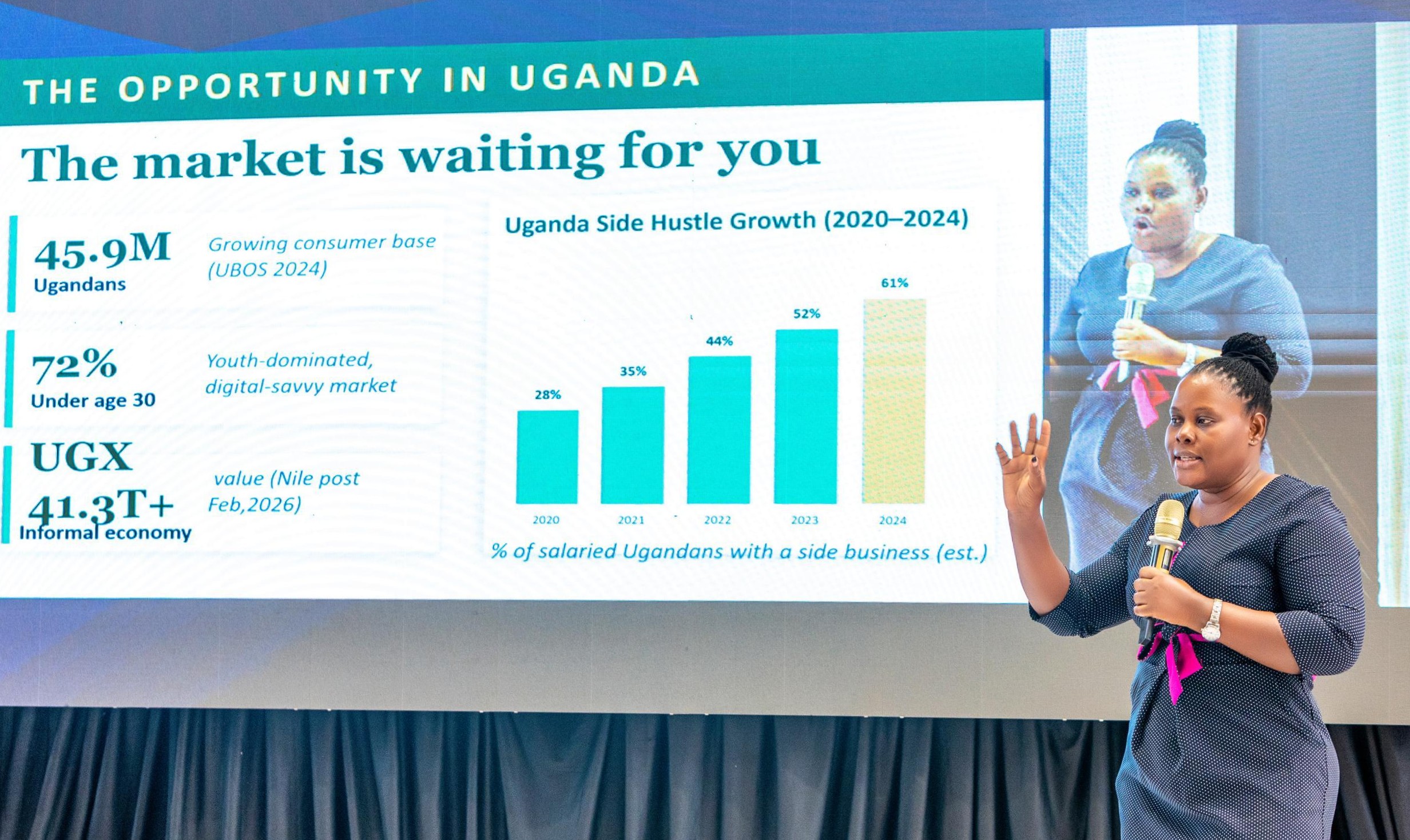
She highlighted the importance of side hustles as a financial protection strategy, noting that many Ugandan employees rely solely on salaries. With the average retirement payout estimated at about UGX 24 million, which many people deplete within a few years, members were encouraged to explore additional income streams to strengthen long-term financial security and retirement preparedness.
Dr. Bimbona also discussed several potential side hustle opportunities suitable for professionals, including food services, digital services, agriculture, real estate, and fashion, encouraging participants to leverage their existing skills and the resources around them. Participants actively engaged in discussions on common challenges such as balancing academics and employment with side businesses, managing employees, and avoiding conflicts of interest while pursuing entrepreneurial opportunities.
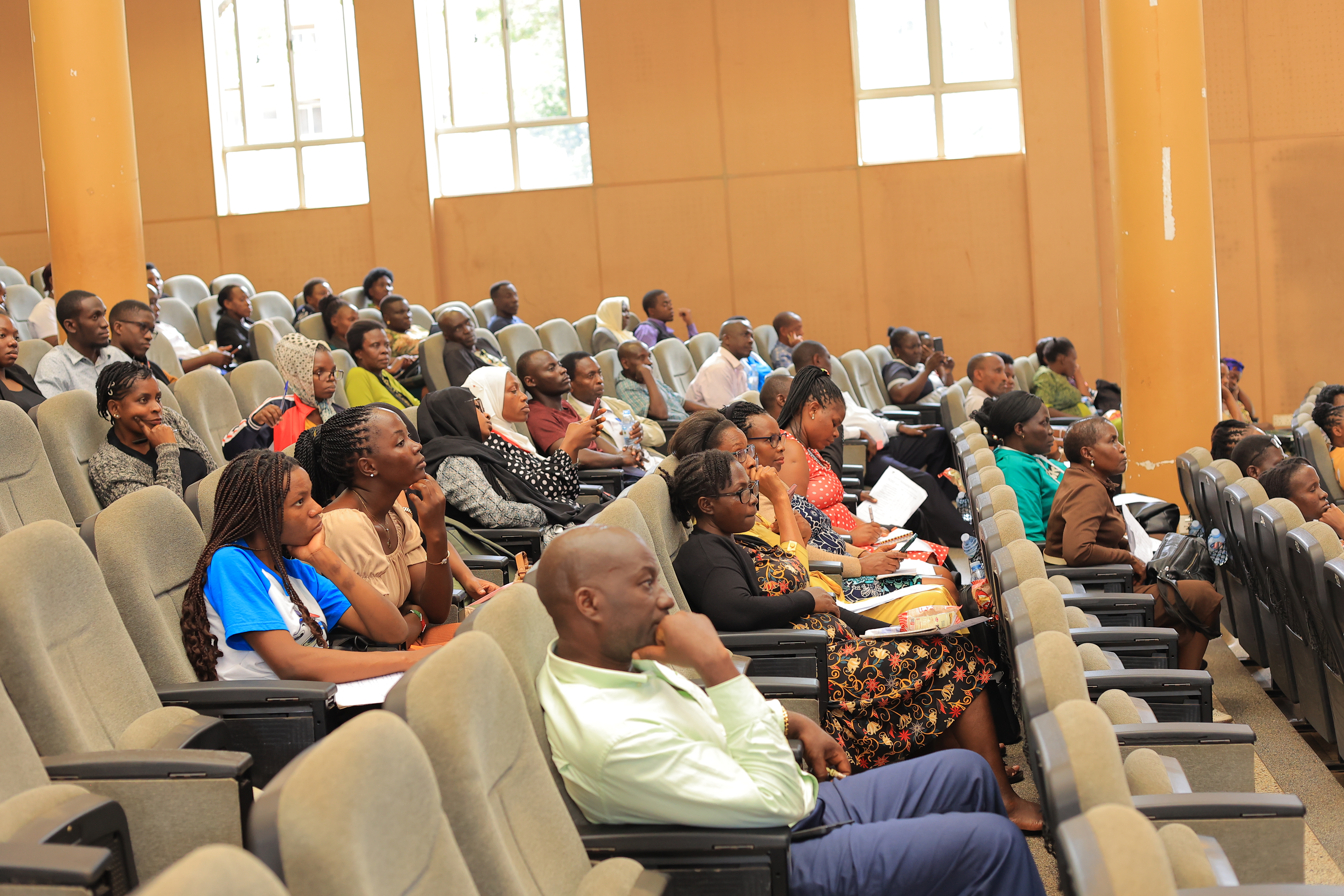
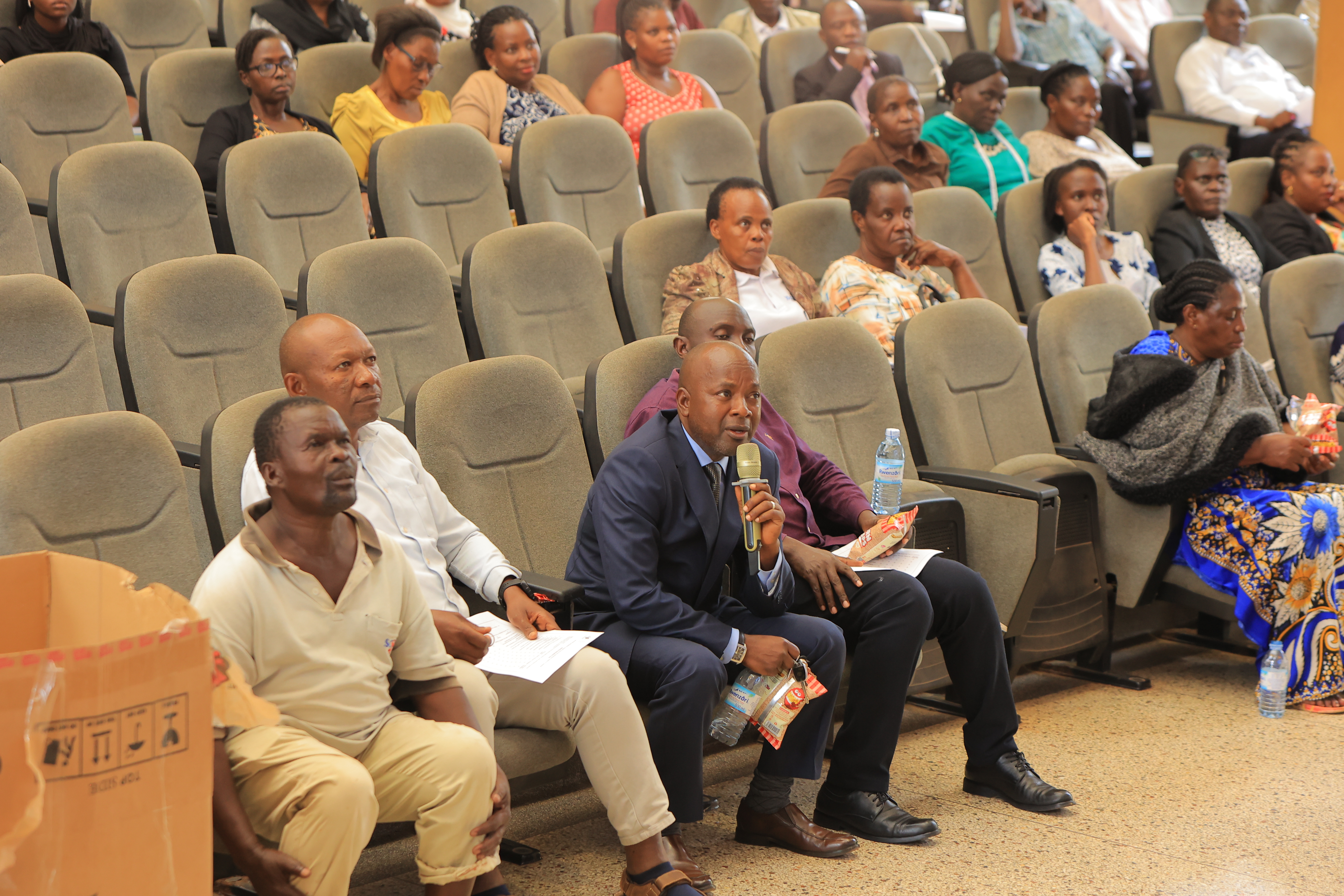
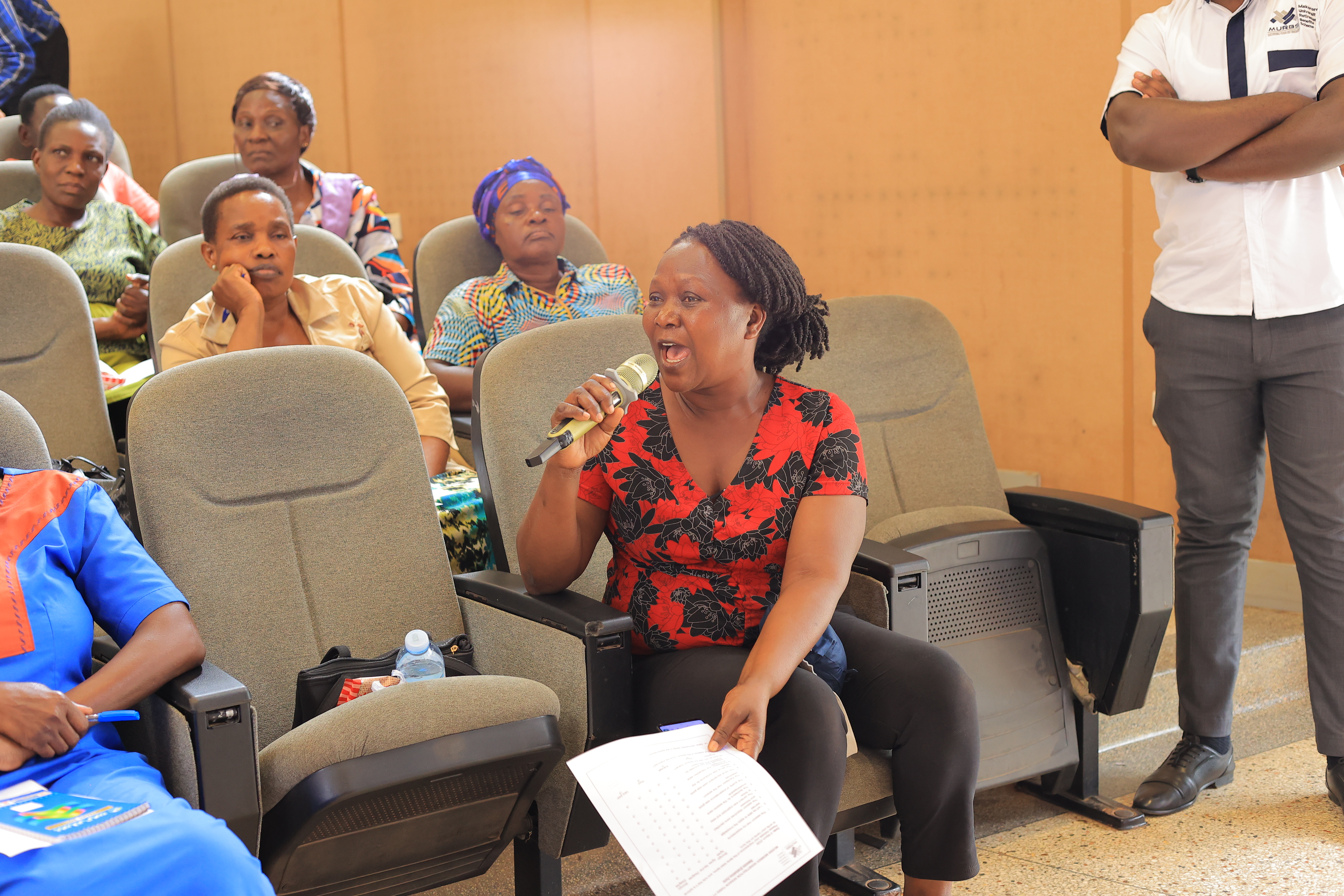
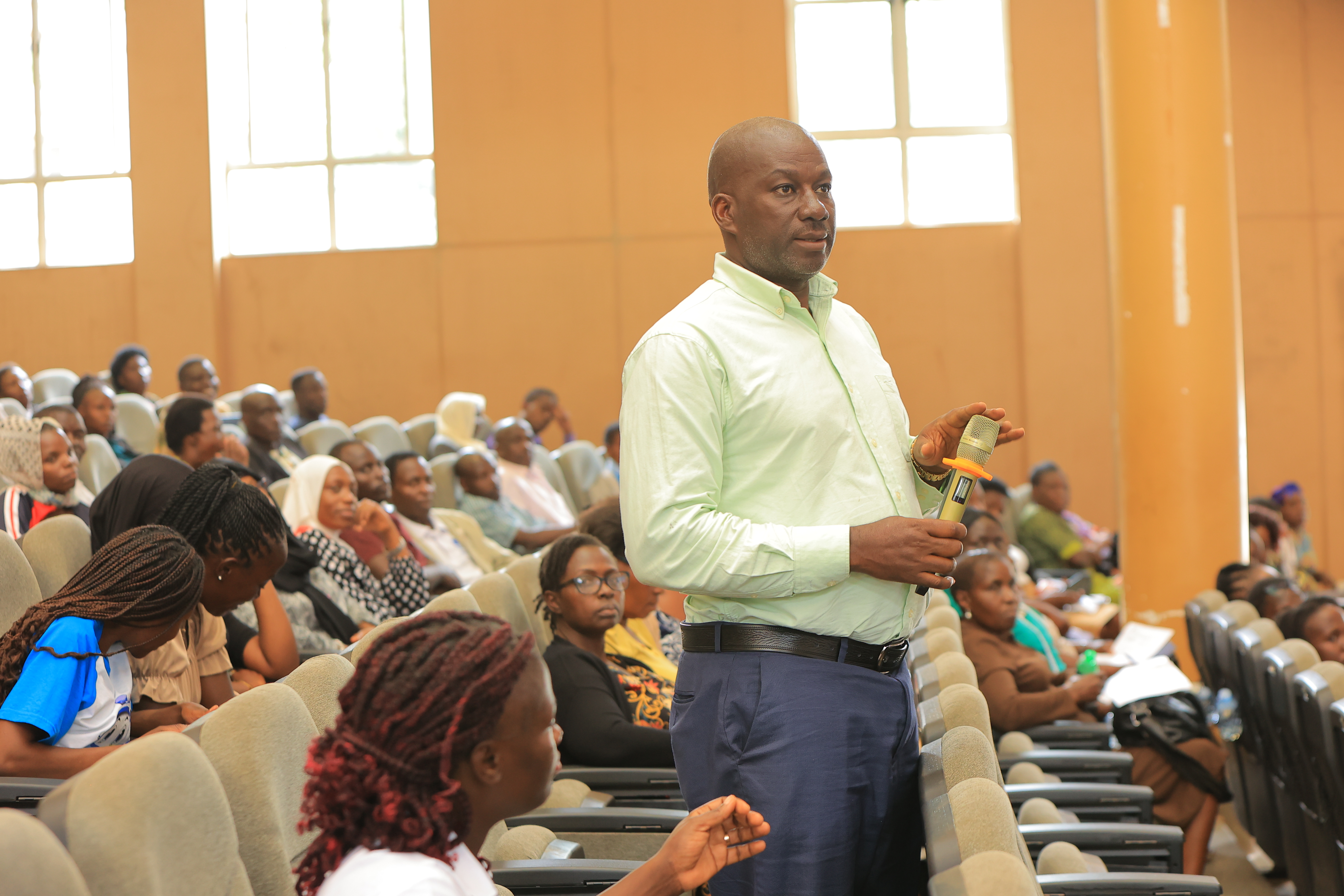
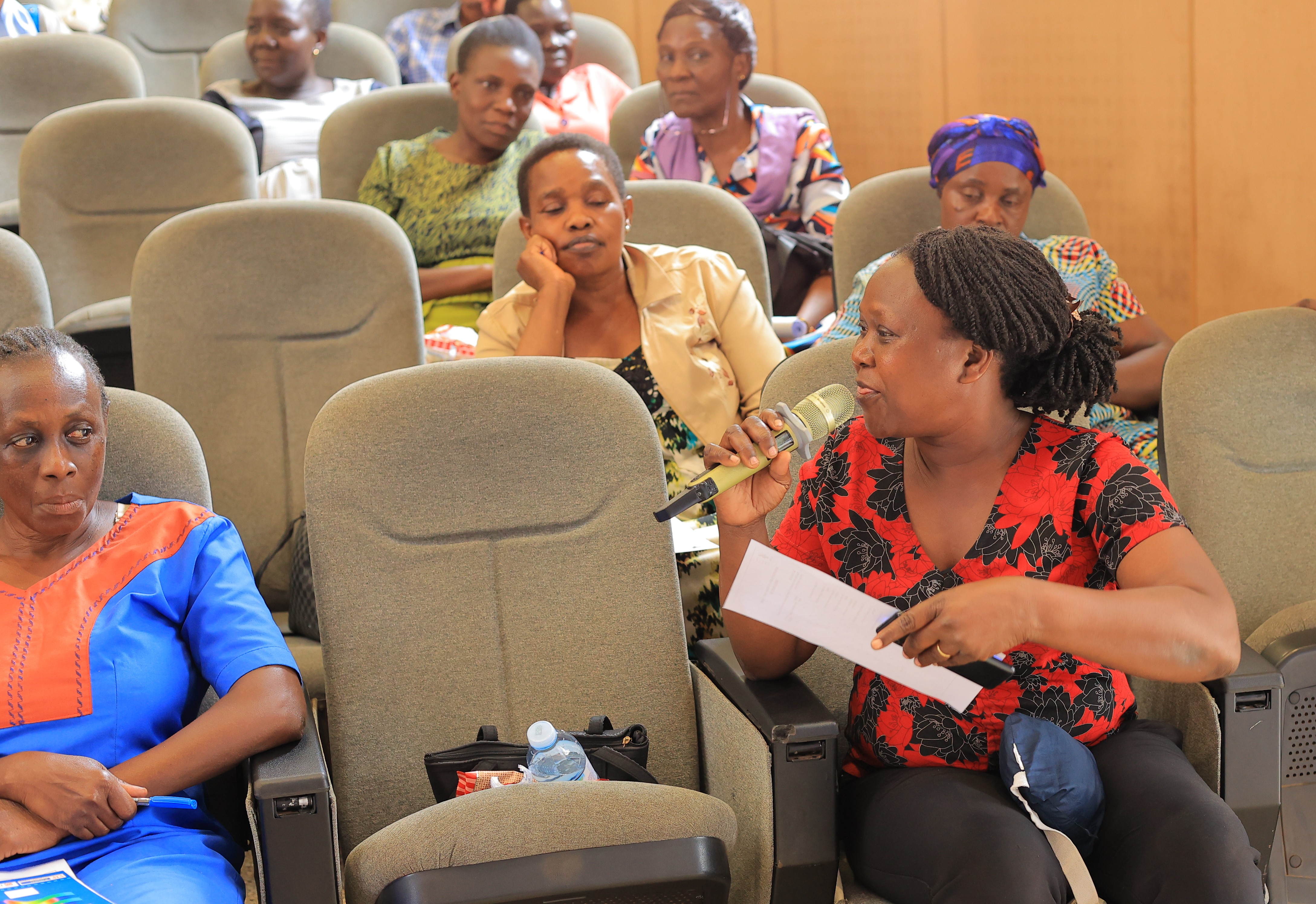
The session concluded with an interactive Question and Answer (Q&A) session, where members explored strategies for starting businesses with limited capital and received guidance on developing viable business ideas.
“You don’t need a lot of money to start a business. I started my business of knitting local bathing sponges, “ekyangwe”, with just Ushs 50,000 during the COVID period. It was time to take the children to school, but when I went shopping, there were no sponges at the supermarket. I remembered the knitting skill from my Primary Three and knitted for my children. My neighbour also told me that she had failed to find one at the supermarket and bought two sponges from me. I also sold to the boda guy I was using, and he even requested a sponge instead of payment. I later supplied five dozen to the supermarket I had earlier gone to, where I had not found any sponges, out of the order of ten dozen they had requested. Now I have trained my children, who make their own money during the holidays using the same skill, and through this, I have been able to take them to high-level schools.” — Rebecca Talikaza (Member)
Key Insights & Recommendations.
1. Start with your skills and passions
2. Start small and grow gradually.
3. Validate the market early
4. Track business finances carefully
5. Leverage your employment
6. Focus on solving real problems
7. Respect professional responsibilities: Ensure side hustles align with institutional policies and do not interfere with official duties.
8. Think long-term: Side hustles can strengthen financial resilience and contribute to a more secure retirement.
Dr. Bimbona encouraged members to view entrepreneurship not just as an additional income stream but as a strategic pathway to financial stability, independence, and a dignified retirement.